EVE Online's Economy Is Monitored by a Real Economist
CCP Games hired an economist to study its own game's market. Blizzard never needed to.

The social unit the early game assumed: a room of people on one realm, at one time, with no way to shard away from each other.
Photo: Alena Darmel / Pexels

CCP hired an economist and published quarterly reports. No other game has treated its own market as a subject of study.
Photo: Wikimedia Commons
Two Economies, Two Designs
EVE Online's in-game market is not a backdrop. It is the game. CCP Games, the Reykjavík-based studio behind EVE, employed a dedicated in-house economist — formally titled the Chief Economist — to publish quarterly economic reports on the player-driven market inside New Eden. The reports tracked trade volumes, price indices, money supply, and inflation across a single shared server, the Tranquility cluster. The inaugural appointment of Eyjólfur Guðmundsson in 2007 was not a publicity stunt; it reflected what the game's architecture demanded.
EVE's economy functions because the game's designers built genuine scarcity into it. Ships, modules, and structures are manufactured by players from mined materials and are permanently destroyed in combat. Supply is finite, demand fluctuates with wars and political shifts among player coalitions, and prices respond accordingly. No developer can inject a reset. The economy requires monitoring because it can genuinely break — hyperinflation, market manipulation, and resource bottlenecks have all occurred and been documented in the official reports.
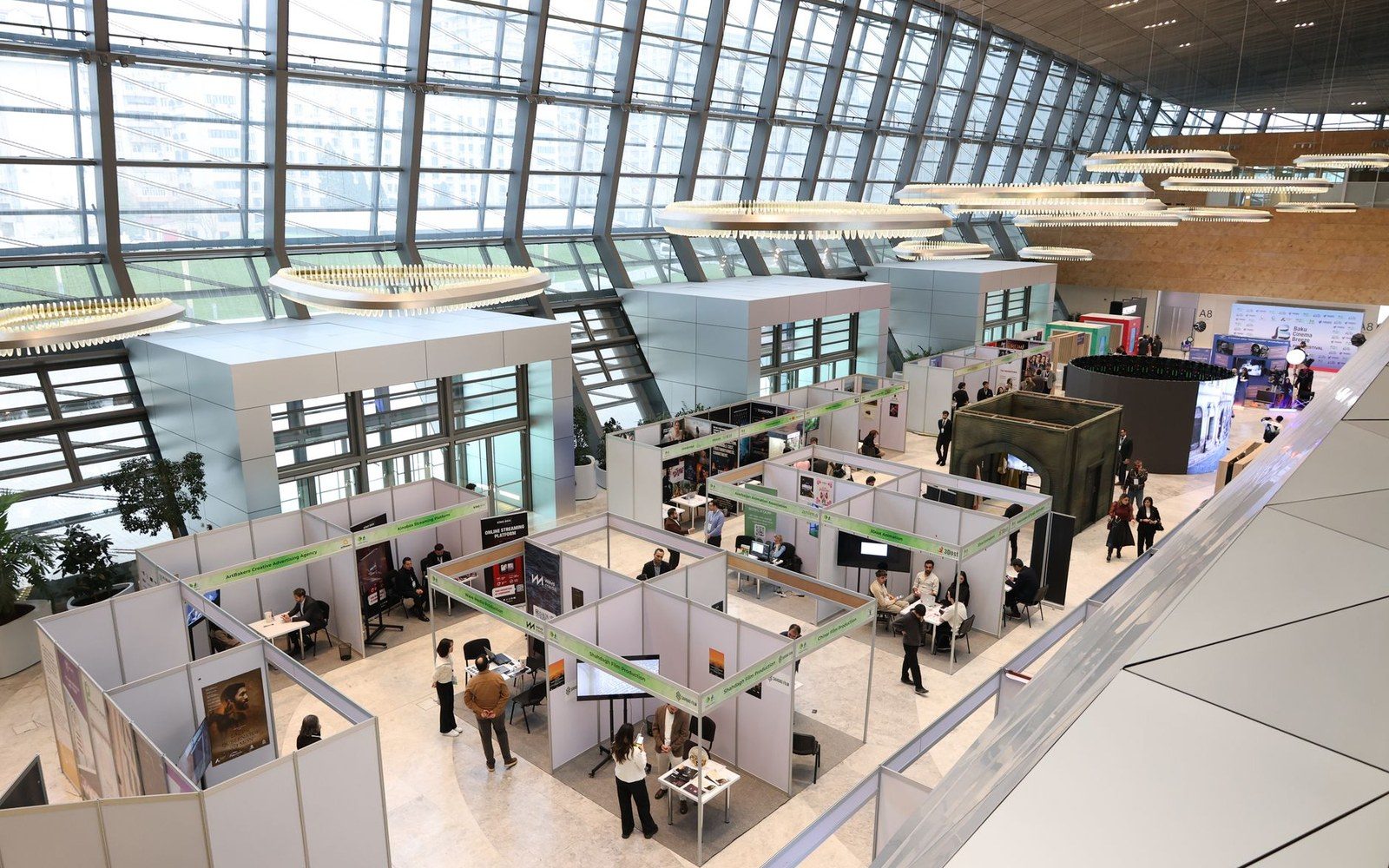
BlizzCon is where the announcements land, and where several of the decisions documented on this site were first stated out loud.
Photo: Tahir Xəlfəquliyev / Pexels
WoW's economy has none of those properties. Gold is produced without constraint by questing, looting, and vendor transactions; the WoW Token added a real-money layer in 2015, but the underlying supply is not scarce. Items are either soulbound — tied permanently to one character — or tradeable vendor goods with soft price floors. The Auction House records transactions, but Blizzard has never published an economic report, because the market is a convenience layer, not a load-bearing structure. When WoW's gold supply inflates, it is a friction point. When EVE's does, it is a crisis.
The difference is not incidental. WoW is designed so that progression belongs to the character, reinforced by systems from borrowed power mechanics to soulbound gear. EVE is designed so that accumulation and loss happen in an open market that the developer watches from the outside, publishing its findings the way a central bank publishes monetary data.
CCP's quarterly economic reports are still released today. They contain regression tables and supply-demand charts that would sit comfortably in an academic working paper. No comparable document exists for Azeroth, and the architecture of the game explains precisely why one was never needed.
- EVE's economy
- permanent item destruction creates genuine scarcity; a single shared server (Tranquility) makes data coherent
- WoW's economy
- gold supply uncapped, most valuable gear soulbound, market serves player convenience rather than driving progression
- CCP Chief Economist
- a staff position created in 2007 to monitor and publish quarterly data on New Eden's player market