About
A record, not a running commentary
What WoW Fail Blog is, how its six sections are organised, and where its figures come from.
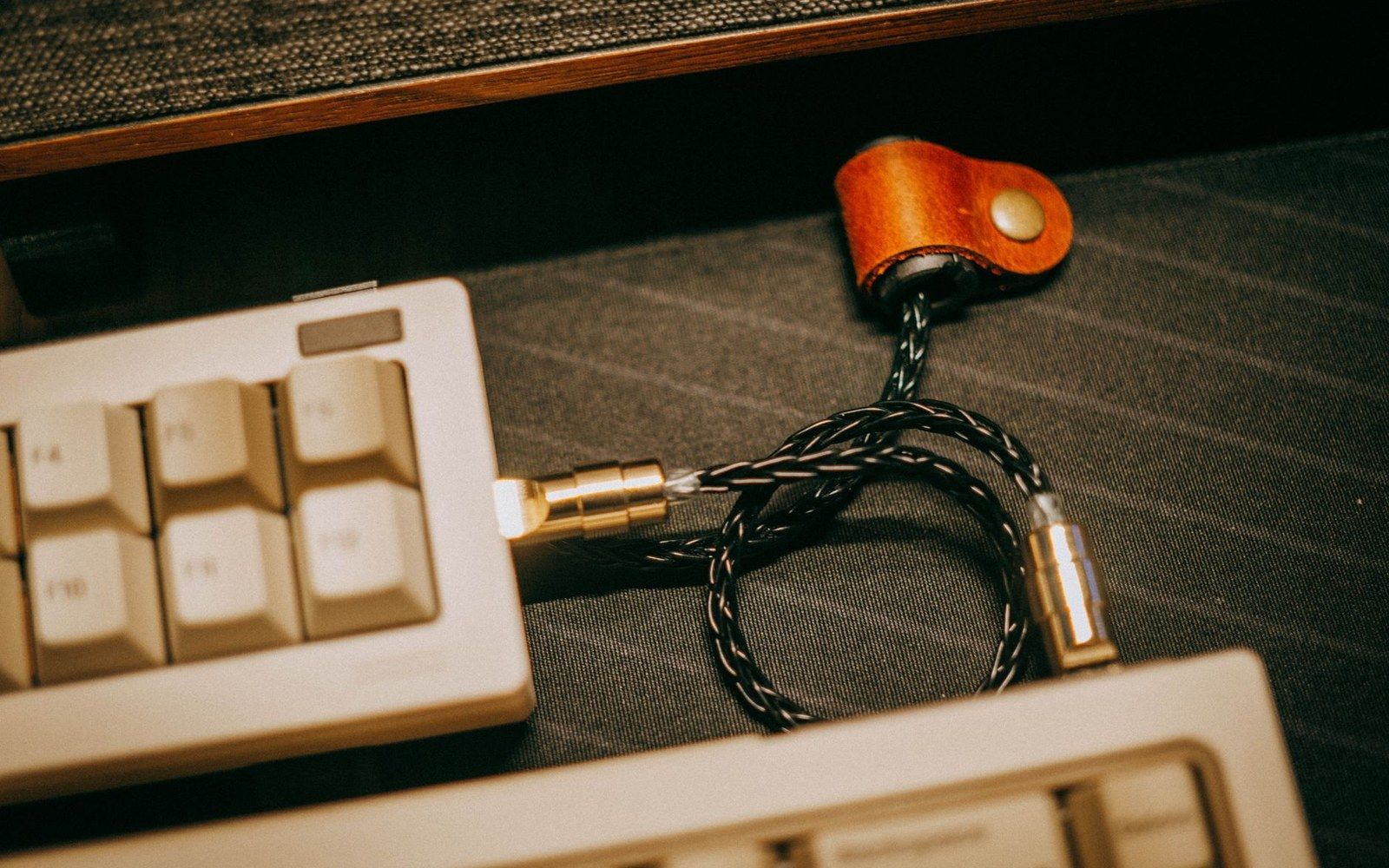
Twenty-one years on the same four keys. The input layer is the one part of the game nobody has redesigned away.
Photo: FOX ^.ᆽ.^= ∫ / Pexels
WoW Fail Blog is a record of the decisions that shaped World of Warcraft, and of what each one cost. It is not a news site and not a fan site. Every piece here fixes a decision to a date and follows what happened after it.
What the site argues
That the decline of World of Warcraft is not a mystery, and not a matter of taste. It is a sequence of documented decisions — the garrison, the token, cross-realm, borrowed power, the silence on subscriber numbers after November 2015 — each of which solved the problem it was aimed at and moved the cost somewhere else. Blizzard’s own most successful answer to fifteen years of expansions was to reissue the 2004 build and sell both at once.

The social unit the early game assumed: a room of people on one realm, at one time, with no way to shard away from each other.
Photo: Alena Darmel / Pexels
How it is organised
Six sections. Expansions is the dated spine, split into three eras. Systems takes named mechanics as design decisions with consequences. Business covers ownership, disclosure, the China licence and the labour record. Classic is the argument the site is about. The Genre sets WoW against what came before and beside it. The Record keeps the documented community history.
Every piece is reachable without a dropdown: the archive lists all thirty-six in one register.
Sourcing
Figures come from published statements, regulatory filings, patch notes and the peer-reviewed literature where it exists. Where a number is an estimate rather than a disclosure, the piece says so. Photography is credited under each figure; in-game and product imagery is used for reference.