Old School RuneScape Votes on Its Own Updates
The 75% rule: a governance model no other major MMO has attempted at scale.
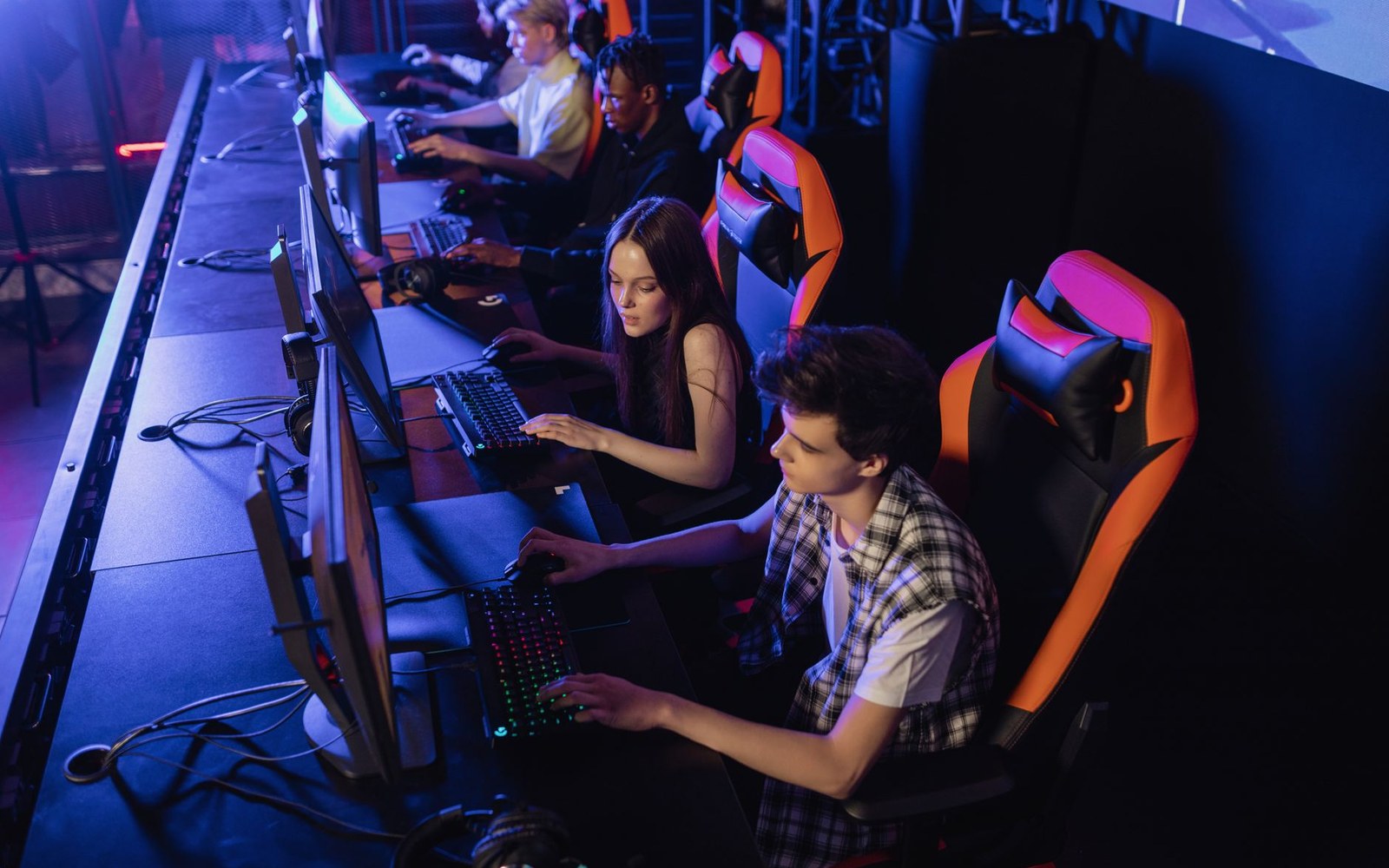
The social unit the early game assumed: a room of people on one realm, at one time, with no way to shard away from each other.
Photo: Alena Darmel / Pexels

Content needs 75% player approval to ship. Nothing in WoW has ever required a vote.
Photo: Urne Ballot box république · Wikimedia Commons
The Mechanism and What It Means
Old School RuneScape, the 2013 restoration of the 2007-era game maintained by Jagex from its Cambridge, England studio, operates under a formal player-ratification system. Before most significant content ships, it goes to a community poll. If a proposed update fails to reach 75% approval among eligible voters, it does not enter the game. Not delayed, not waved through on a slim majority — rejected, and any later version must be re-polled from scratch.
The threshold is not incidental. Jagex set it deliberately high to ensure that no slim majority could impose changes on a resistant minority. The game's entire identity rested on that conservatism: Old School RuneScape launched specifically because a prior update cycle had, in players' view, turned RuneScape into something its original audience no longer recognised. The polling system was the constitutional guarantee against repetition.
- Vote threshold
- 75% approval required for most significant content to ship
- Eligibility
- subscribed accounts above a minimum total level
- Transparency
- Jagex publishes full poll results including exact vote counts
- Archive
- hundreds of polls publicly documented on the Old School RuneScape Wiki from 2013 onward
In mechanical terms, any subscribed account above a minimum total level can vote. Jagex publishes results publicly, including exact vote counts and percentages. The poll archive on the Old School RuneScape Wiki documents hundreds of polls dating to 2013, with outcomes ranging from near-unanimous passage to outright failure.
The Documented Failures and the Design Argument
Content has failed the threshold repeatedly, and the record is instructive. Proposed skill additions, quality-of-life systems, and endgame mechanics have all polled below 75% and been shelved. Some proposals, reframed and resubmitted months later, eventually passed. Others did not return.

BlizzCon is where the announcements land, and where several of the decisions documented on this site were first stated out loud.
Photo: Tahir Xəlfəquliyev / Pexels
The charge against the system is the obvious one: it structurally favours incumbents. Players who have invested years in a game vote to protect the conditions that rewarded that investment. New players who might prefer different systems are underrepresented simply by having fewer eligible accounts or less engagement with the voting process. Innovation, in this reading, is taxed at 25%.
The counter-argument is that Old School RuneScape exists precisely because a developer once made unilateral decisions its players rejected — and the polling system has produced a game that maintained a stable active player base through periods when contemporaries were declining. Stability is not nothing.
WoW's model sits at the opposite pole. Blizzard ships borrowed power systems, overhauls talent trees, and redesigns progression loops without ratification. Some of those decisions — Covenants, Azerite armour, Titanforging — generated sustained player hostility. Others worked. The difference is that the studio absorbs the downside alone; Old School RuneScape distributes it. Whether that distribution produces better games or merely more conservative ones remains genuinely unresolved.
- Incumbent bias
- long-term players vote to protect existing systems; new players underrepresented
- Conservative output
- the 75% bar structurally disfavours novel or divisive proposals
- Origin logic
- system exists because a prior unilateral redesign alienated the original playerbase
- WoW contrast
- Blizzard ships without ratification; player hostility to failed systems (Covenants, Azerite) absorbed by studio alone