Mists of Pandaria and the Expansion That Took Ten Years to Win
Announced to groans in 2012, retrospectively praised by 2022 — Mists of Pandaria is WoW's most documented reputation reversal.
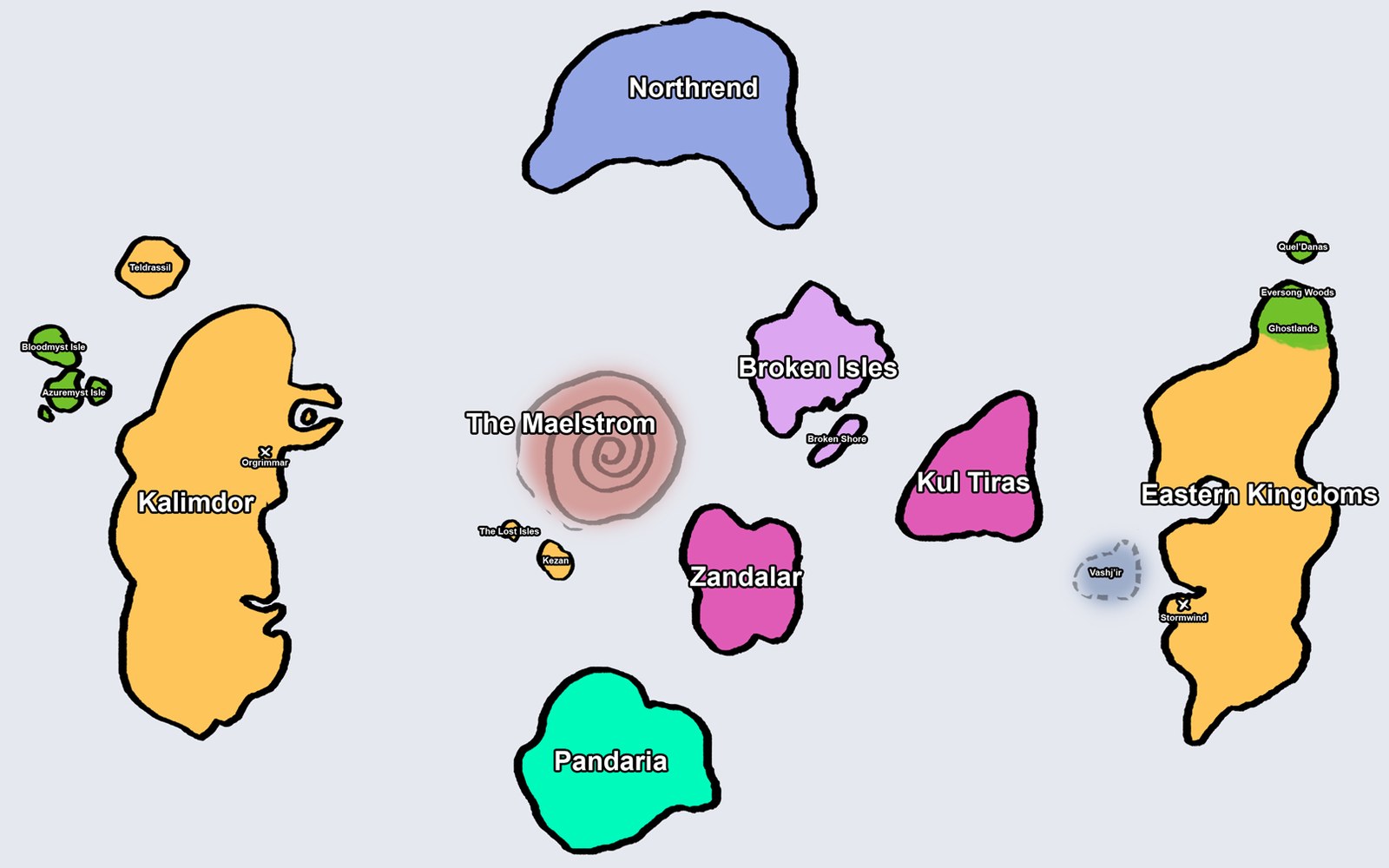
Ten expansions on a shelf. Blizzard’s most successful answer to all of them was the 2004 build, reissued.
Photo: Azeroth in World of Warcraft 2021 · Wikimedia Commons

Dismissed on announcement, praised a decade later. The reversal is documented in the same outlets that panned it.
Photo: freestocks.org / Pexels
From Punchline to Precedent
When Blizzard revealed Mists of Pandaria at BlizzCon 2011, audible laughter from the crowd became part of the public record. A kung-fu panda continent read, to a vocal segment of the playerbase, as franchise drift. The expansion launched in September 2012 to solid numbers — subscriber counts peaked near 10 million during its early months — then declined steadily through 2013 and into 2014, a trajectory that coloured contemporary coverage.
The systems that drew criticism look different in retrospect. Daily-quest gating locked reputation-dependent gear behind mandatory repetition, and players documented the grind loudly enough that Blizzard relaxed restrictions mid-expansion. That mid-course correction is now cited as evidence the studio was still listening. The Timeless Isle, released in patch 5.4, offered a self-contained open zone with no quest chains and loot tokens that bypassed the gear treadmill entirely — a design note that later open-world content would echo for years.
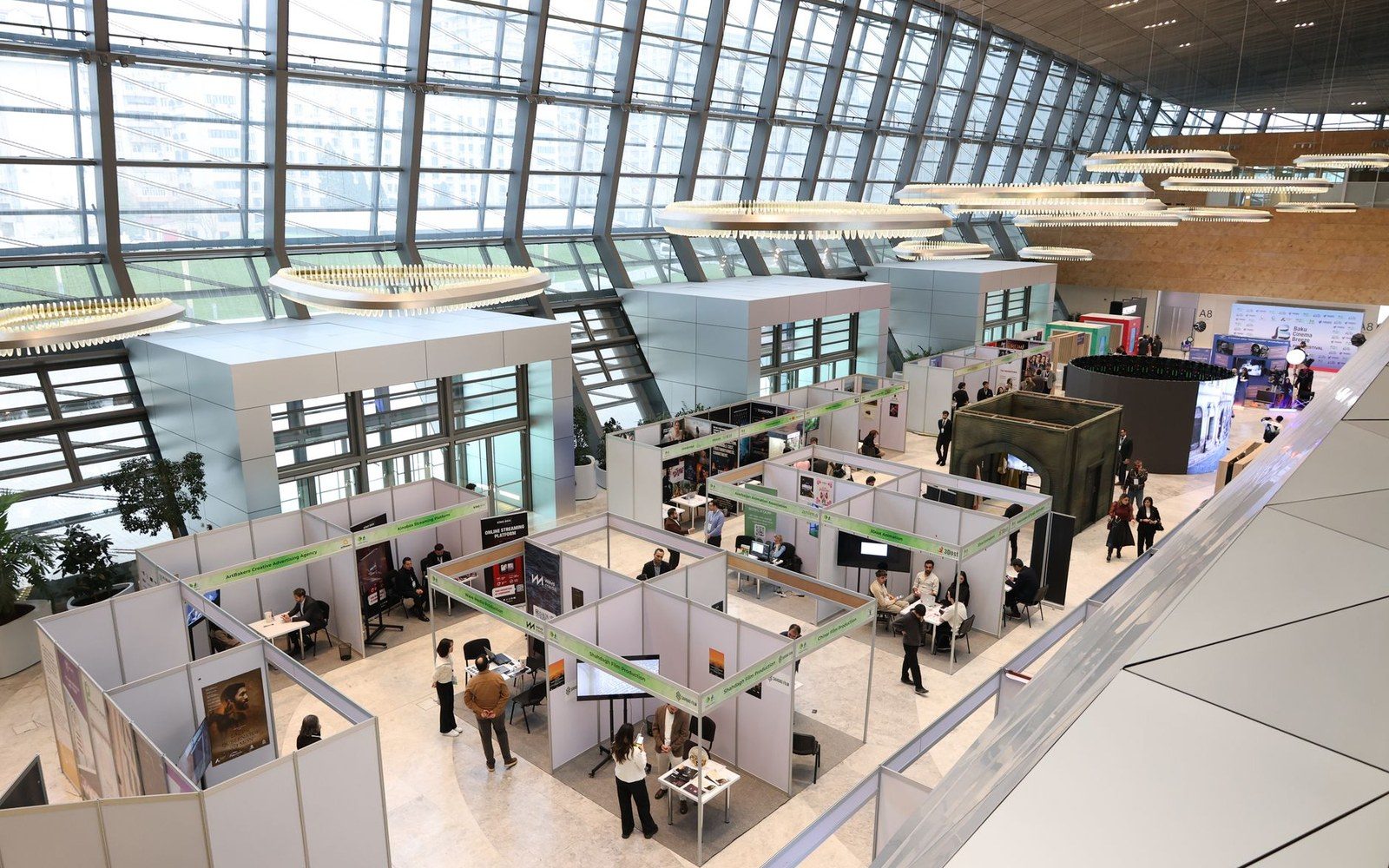
BlizzCon is where the announcements land, and where several of the decisions documented on this site were first stated out loud.
Photo: Tahir Xəlfəquliyev / Pexels
Patch 5.1's faction conflict scenarios and 5.2's Throne of Thunder are consistently ranked among the better-executed raid tiers the game produced. The Siege of Orgrimmar, the expansion's final raid, ran for thirteen months — an uncommonly long content drought, caused largely by the timing of Warlords of Draenor.
The reassessment accelerated after Shadowlands. Covenants and borrowed-power friction gave players a comparative scale; measured against locked ability choices and opaque conduit systems, daily-quest reputation gating looked almost legible. By the time Blizzard announced the Mists of Pandaria Remix event for 2024, the rehabilitation was institutional — the studio was packaging nostalgia for content it had spent a decade half-apologising for.
- Launch framingpunchline, audience laughter at reveal, franchise-drift criticism
- Mid-expansiondaily-quest gating controversy, Blizzard relaxed restrictions
- Post-Shadowlands reassessmentCovenant system gave players a worse benchmark
- Institutional rehabilitation2024 Remix event as Blizzard endorsing its own reversal