Legion's Artifact Weapons: Power That Expired by Design
A weapon players spent two years building was always going to be taken away. Legion made that the feature, not the flaw.

Ten expansions on a shelf. Blizzard’s most successful answer to all of them was the 2004 build, reissued.
Photo: Azeroth in World of Warcraft 2021 · Wikimedia Commons
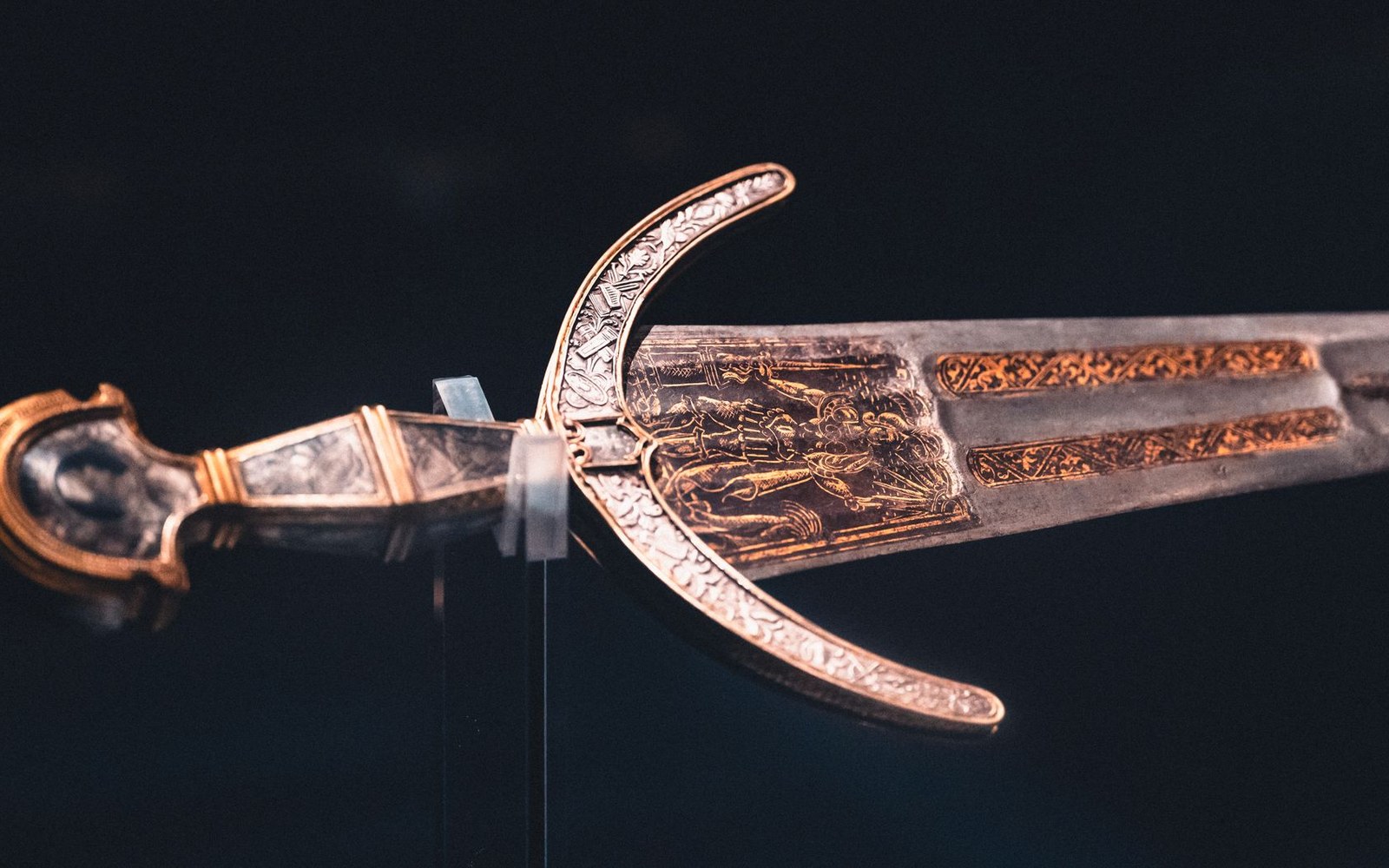
Artifact weapons were designed to be taken away. That was the point, and it became the template.
Photo: Blackcurrant Great / Pexels
The Gear That Came With an Expiration Date
When Legion launched in August 2016, each class specialisation received a unique Artifact weapon — a lore-significant item that served simultaneously as a narrative anchor and the primary progression chassis for the entire expansion. Rogues carried Outlaw's Dreadblades, Paladins took up the Ashbringer. The weapons were not exchangeable. They were the character.
Progression ran through a talent tree embedded in the weapon itself: Artifact Power, accumulated from nearly every piece of content in the game, fed into traits that meaningfully altered how a specialisation functioned. The design produced a tidy motivational loop — Mythic+ dungeons, world quests, raid drops, even casual daily content all fed the same resource. Engagement metrics during Legion were strong enough that Blizzard cited the expansion as a course correction following the garrison-driven population decline of Warlords of Draenor.
The system also introduced a structural problem it could not solve: everything built into that weapon was always going to be zeroed out. Blizzard confirmed as much during development — the Artifact weapon was explicitly a single-expansion mechanism. When Battle for Azeroth launched in 2018, the weapons were retired to a cosmetic role and all Artifact traits were deactivated. Two years of accumulated progression, in terms of feel and identity, was removed on a patch day.
BlizzCon is where the announcements land, and where several of the decisions documented on this site were first stated out loud.
Photo: Tahir Xəlfəquliyev / Pexels
This was borrowed power in its first fully committed form — not incidental to the design but load-bearing within it. The tradeoff Blizzard accepted was real engagement purchased with temporary attachment. Players were willing to invest because the investment paid off clearly and continuously throughout Legion. The cost was revealed only at the boundary: the moment the system was switched off, the emotional accounting came due.
What Legion demonstrated was that borrowed power could work inside an expansion and damage trust at the edge of one. The Artifact weapon model was cohesive, legible, and genuinely engaging for its run. The same template, applied with less execution in subsequent expansions — Azerite armour in Battle for Azeroth, Covenants in Shadowlands — accumulated the complaints without retaining the engagement. The academic framing of player motivation in online games would call this an autonomy and competence problem: players accepted the temporary contract in Legion because progression felt agent-driven; later iterations made it feel compulsory.
Legion's Artifact weapons are, in retrospect, the cleanest case for borrowed power and the clearest origin of the design fatigue that followed it.
- Artifact weapon (Legion)cohesive, well-received within its run
- Azerite armour (BfA)same structural logic, three rounds of revision required
- Covenant system (Shadowlands)locked-choice variant, broadly criticised
- Dragonflightsystem removed; talent tree restored