Looking for Raid and What Happened When the Server Stopped Mattering
Cross-realm matchmaking solved an access problem and dissolved a social architecture. Both happened at once.

Twenty-one years on the same four keys. The input layer is the one part of the game nobody has redesigned away.
Photo: FOX ^.ᆽ.^= ∫ / Pexels
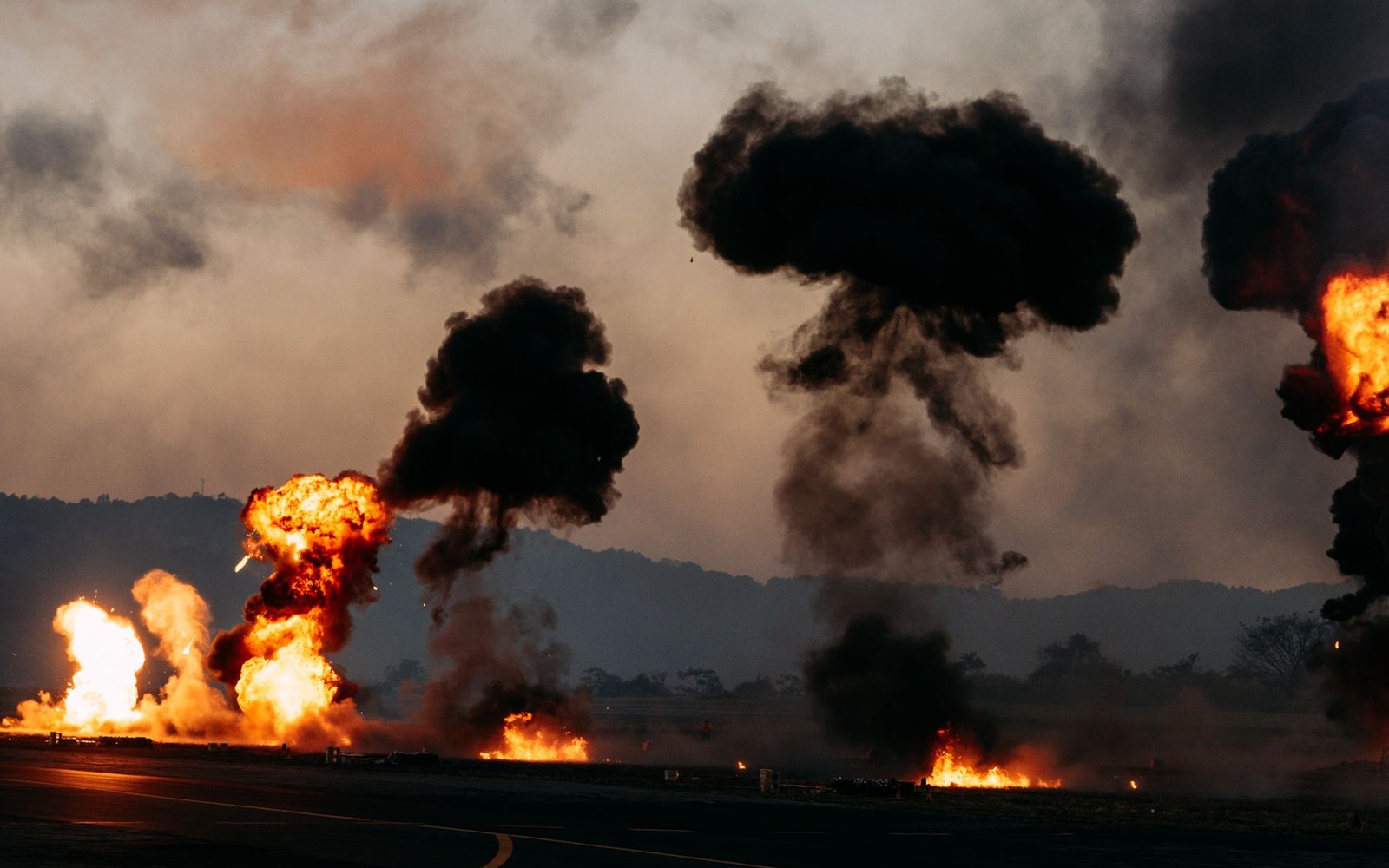
Patch 4.3 made the raid available to everyone and made the server stop mattering. Both were the same change.
Photo: Edu Raw / Pexels
The System Patch 4.3 Introduced
Looking for Raid launched in December 2011 with patch 4.3, partway through Cataclysm, as an automatic matchmaking tool that assembled twenty-five players from any server and dropped them into a tuned-down version of the current raid tier. The immediate result was measurable: content that previously required a guild, a schedule, and months of progression became accessible on demand. For players who worked full-time or sat on low-population servers with shallow talent pools, this mattered in concrete ways.
The technology underneath it was cross-realm instancing — infrastructure that merged players from multiple servers into shared instances regardless of home realm. Cross-server grouping already existed for battlegrounds and the Dungeon Finder, but LFR gave the system its most visible application. Once matchmaking worked cross-realm for raids, the logic extended outward: cross-realm grouping for dungeons, eventual zone merging for the overworld, the Looking for Group tool covering all instanced content.

Voice was never a Blizzard feature. The raid’s coordination layer has always been someone else’s software.
Photo: Ron Lach / Pexels
What the Server Had Been
To understand the argument about what LFR removed, it helps to be precise about what server communities provided before it. On a single-realm server, reputation was persistent. A player who repeatedly needed-rolled on loot and dropped group had a character name attached to their behaviour on a realm where thousands of players knew each other by sight. Blacklists circulated. Guild masters shared notes. Social accountability was enforced horizontally, by the community itself, because everyone was on the same ledger.
Cross-realm matchmaking collapsed that ledger. In an LFR group assembled from a dozen servers, no participant has any persistent relationship with any other. There is no shared context, no reputational risk, and no mechanism for accountability once the instance closes. The result — documented extensively in player feedback from 2012 onward — was a shift in group behaviour toward the individualistic: less coordination, less tolerance, a higher baseline of disengagement. Not because the players changed, but because the incentive structure did.
- December 2011Patch 4.3 introduces LFR during Cataclysm
- 2019WoW Classic launches without LFR or cross-realm matchmaking; restores server-community architecture
This is not a romantic reading of the vanilla era. Pre-LFR raiding required guilds that excluded large portions of the playerbase by design. The access problem was real. Blizzard's internal data consistently showed that a majority of subscribers never saw endgame raid content before LFR existed. The question is not whether the access problem was worth solving, but what the solution cost.
The Argument the Classic Split Made Visible
The WoW Classic project, launching in 2019, restored the single-server social architecture deliberately. Classic does not have LFR. Cross-realm technology is minimised. The result is slower content consumption, smaller effective player pools, and — by consistent player report — a social texture that feels different from retail. Trades happen in trade chat. Dungeon group reputations persist. Helping a stranger is a legible social act rather than an anonymous transaction.
Blizzard's decision to run both products under a single subscription created a natural comparison that neither side of the design debate can fully ignore. The two versions of the same game, running simultaneously, represent a live experiment in which the social architecture is the primary variable. Classic's population has its own churn and its own complaints about gating and exclusion. The experiment is not clean. But it is ongoing.
What LFR demonstrated, in retrospect, is that subscriber churn between content releases was partly a function of access, and partly a function of attachment — and that the two do not move together. Solving access without sustaining attachment produces players who consume content faster and disengage sooner. The game gets cleared; the community bond dissolves. LFR addressed one part of the retention equation and left the other structurally unresolved. Fourteen years later, the Mythic+ ecosystem, the Great Vault, and the solo content expansions of The War Within are all, in different ways, still working on the same problem.
- Access gained
- any subscriber can see raid content without a guild or schedule
- Accountability lost
- no persistent reputation in cross-realm groups; no shared social ledger across servers