Dragonflight Brought Back the Talent Tree Mists of Pandaria Removed
Ten years after Blizzard flattened character progression into six passive choices, Dragonflight reinstated a branching talent tree. The architecture looks familiar; the reasoning behind both decisions is worth examining alongside each other.
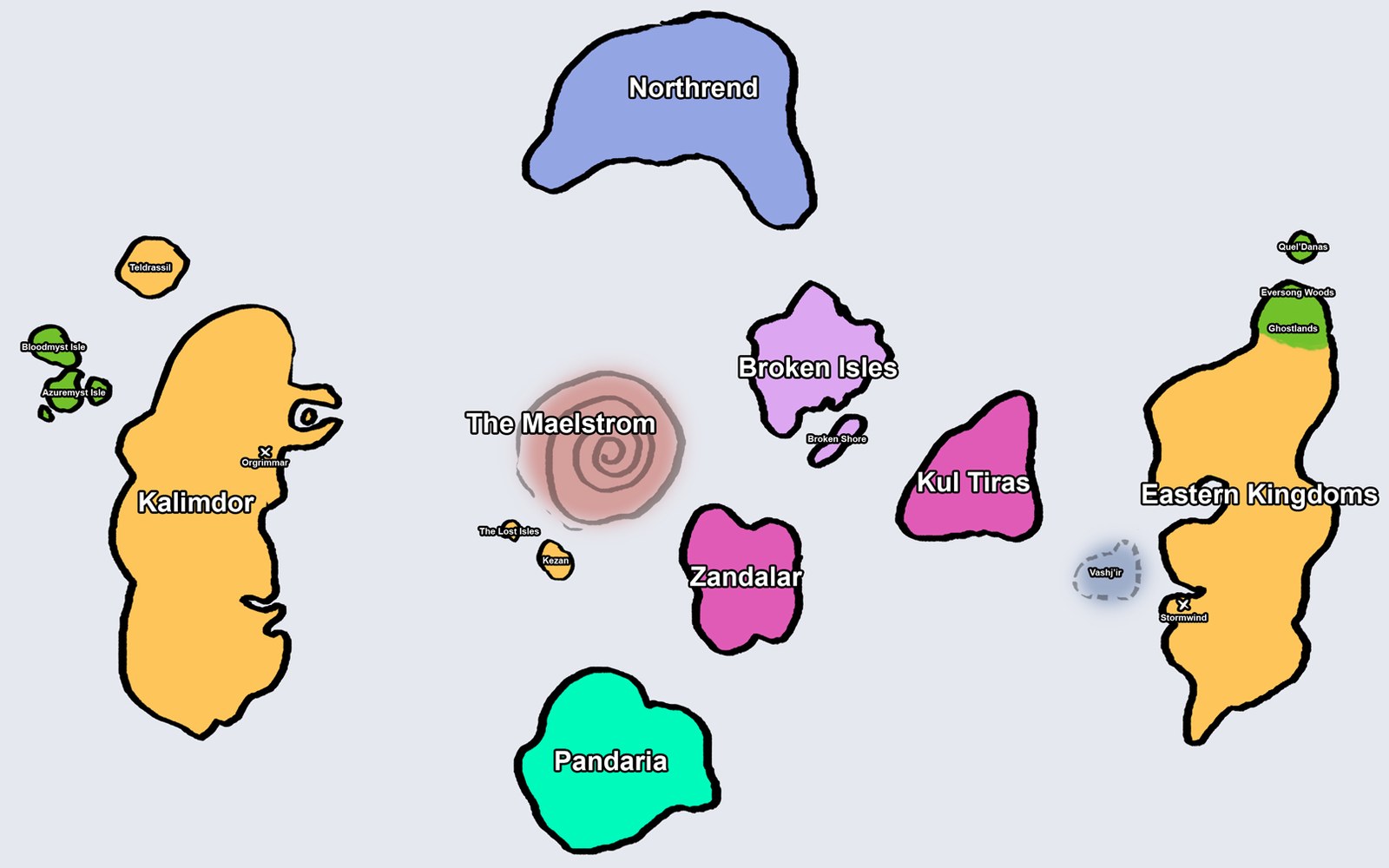
Ten expansions on a shelf. Blizzard’s most successful answer to all of them was the 2004 build, reissued.
Photo: Azeroth in World of Warcraft 2021 · Wikimedia Commons
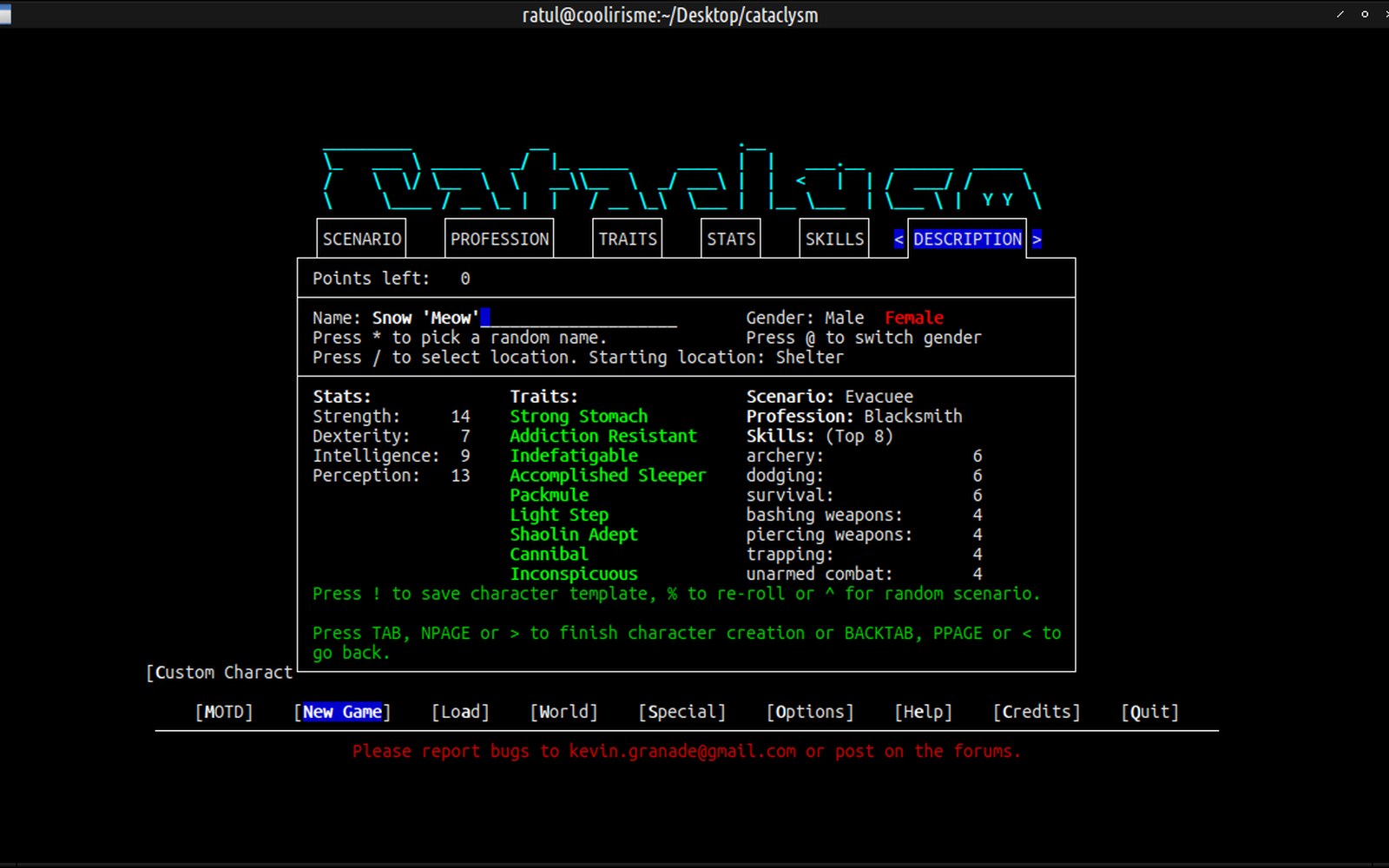
The tree Mists of Pandaria stripped to six passive choices came back in 2022 with more nodes than the original had.
Photo: Cataclysm player · Wikimedia Commons
What Happened Between 2010 and 2022
The original talent tree — inherited from the genre conventions that EverQuest established and Blizzard expanded across roughly fifty talents per tree per class — survived through Wrath of the Lich King and, in trimmed form, Cataclysm, then died in the Mists of Pandaria pre-patch in 2012. The stated rationale was that most talents were mandatory pickups offering flat percentage gains, so players followed build guides rather than making meaningful choices. The system was compressing the appearance of depth without delivering it.
The replacement, formalized in Mists of Pandaria and carried through Warlords of Draenor, Legion, Battle for Azeroth, and Shadowlands, offered one choice per tier from a row of three talents, with six rows at max level in Mists and seven from Warlords onward. The choices were designed to be situational rather than optimal — utility swaps rather than power progression. In practice, the same problem recurred: one option per row was plainly superior in most contexts, and community resources like Wowhead and class Discord servers collapsed variation back toward consensus builds within days of each patch cycle.
The 2022 Return
Dragonflight, released November 2022, replaced the seven-row system with two interconnected trees per class: one class-wide, one specialization-specific. Each tree runs to roughly thirty nodes, mixing active abilities, passive modifiers, and choice nodes that force selection between two options. The visual vocabulary consciously echoes the pre-Cataclysm layout — branching paths, gate nodes requiring investment before the next tier unlocks.
BlizzCon is where the announcements land, and where several of the decisions documented on this site were first stated out loud.
Photo: Tahir Xəlfəquliyev / Pexels
The differences from the original are structural. Talent points are no longer tied to individual level-ups across the entire levelling journey; they arrive in a compressed allocation at max level and during levelling in a faster cadence. Specs also cannot reach every node simultaneously, so genuine trade-offs exist at the margins, which the old tree rarely enforced once a player had forty-one points committed to a primary tree.
The new system has not eliminated consensus builds. Within weeks of Dragonflight's launch, community-maintained databases were already publishing recommended allocations for every spec across every content type. The talent tree returned; the problem it was originally removed to solve did not disappear with it. What changed is that the routing to that consensus at least passes through a legible map rather than a dropdown menu.
- Original removal rationale
- mandatory talents compressed apparent choice without delivering real decisions
- Seven-row replacement rationale
- situational swaps over power gains
- Both iterations
- community databases rapidly identified optimal paths and collapsed variation